
The “scusse”
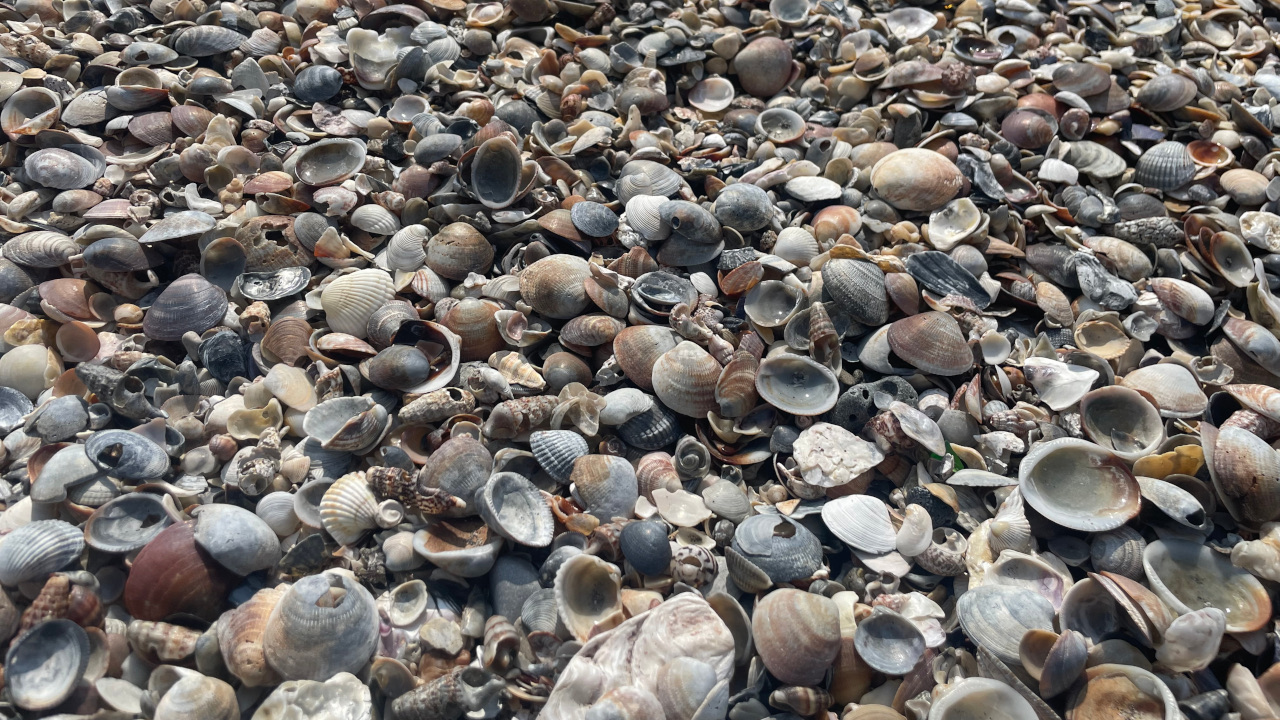
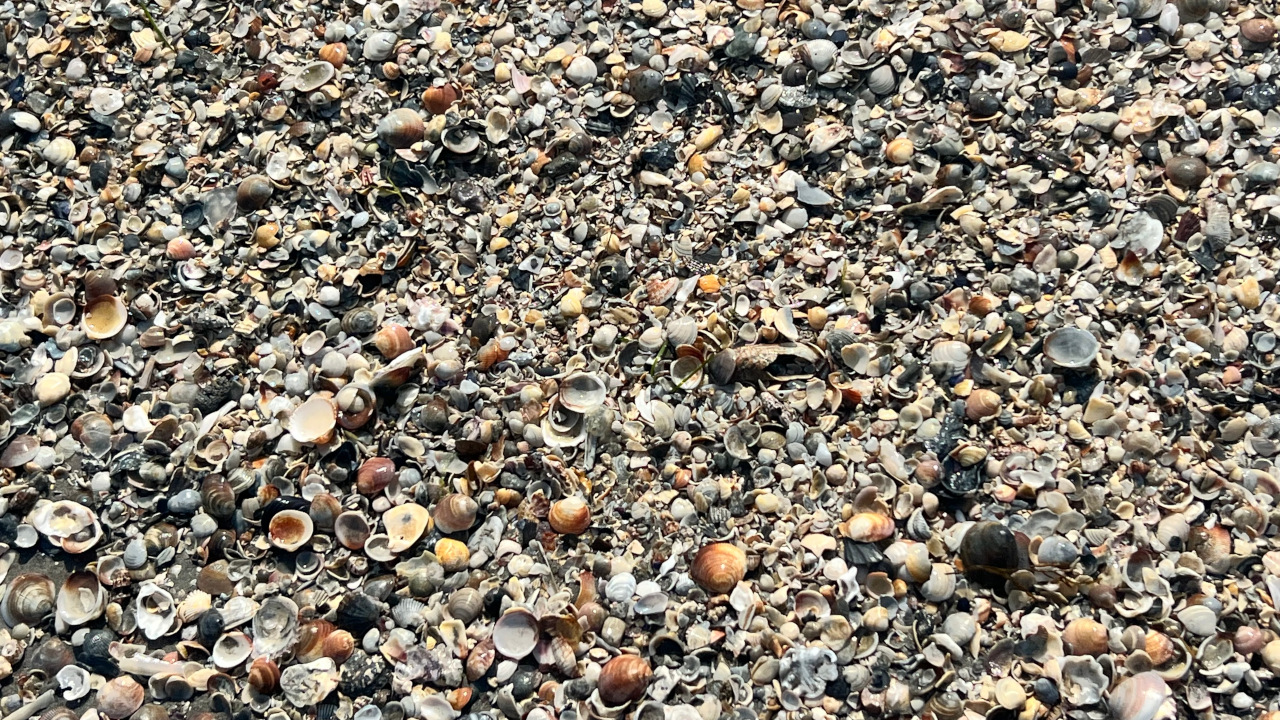
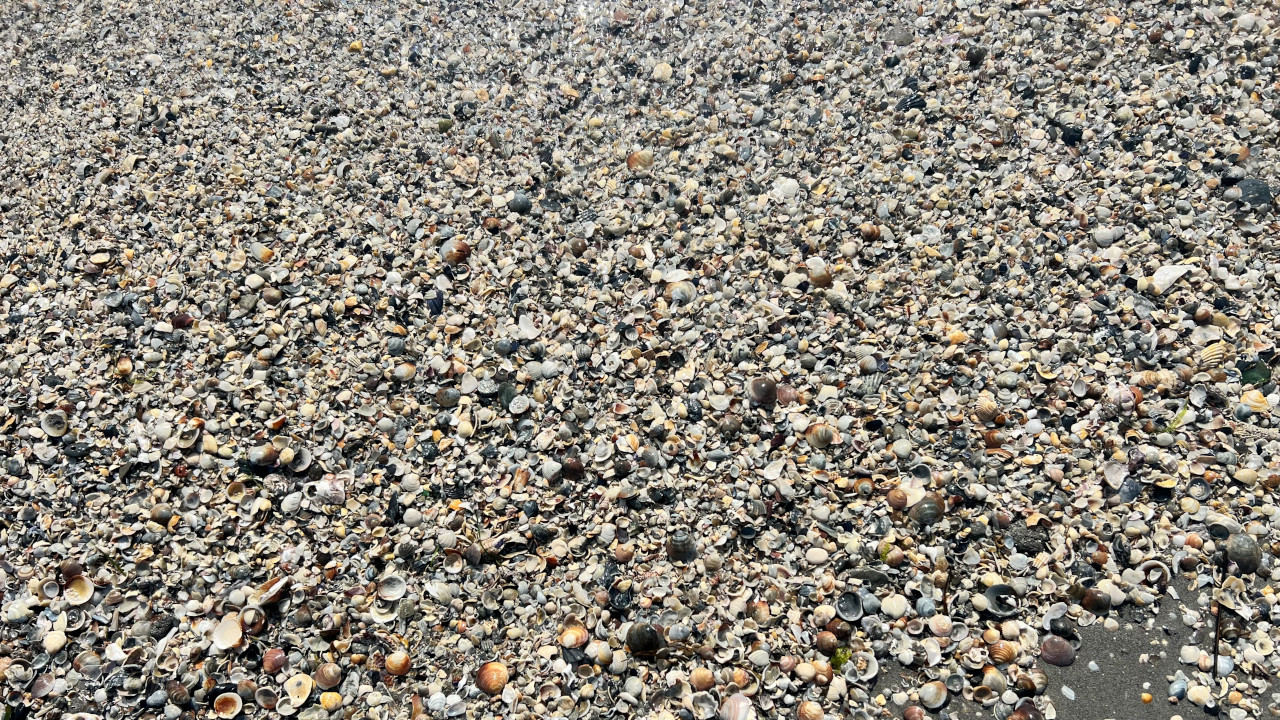
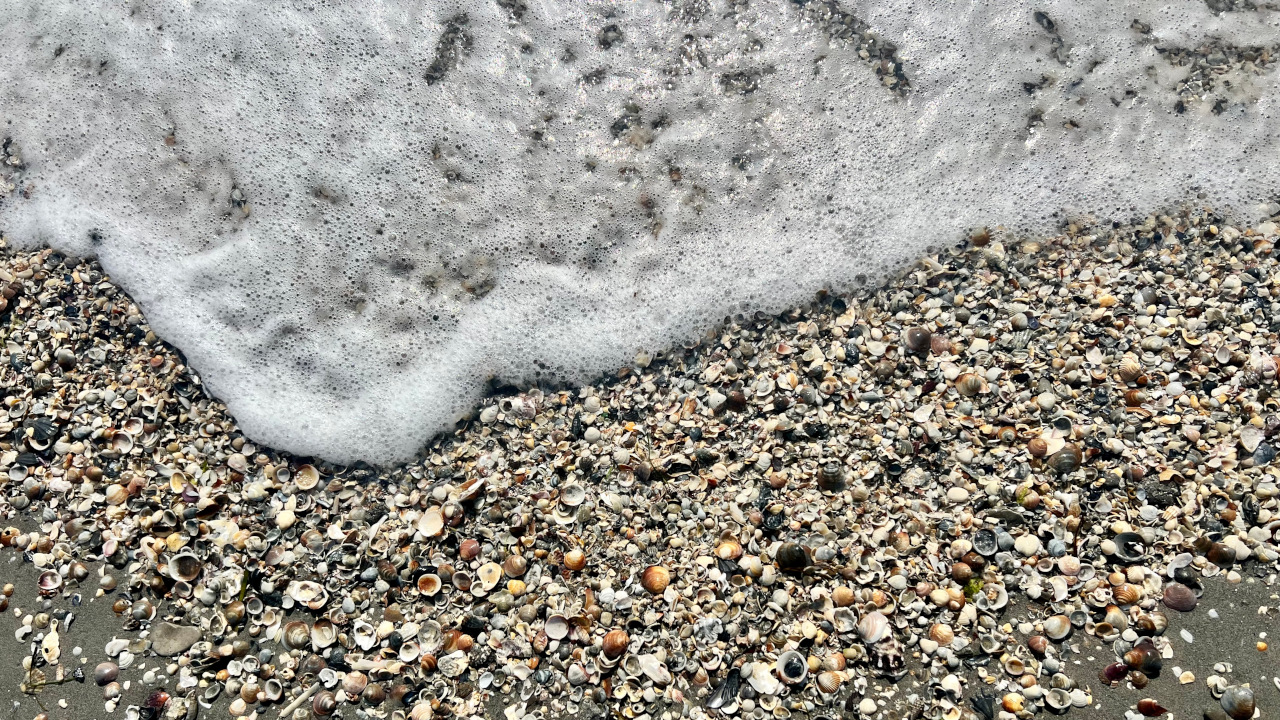
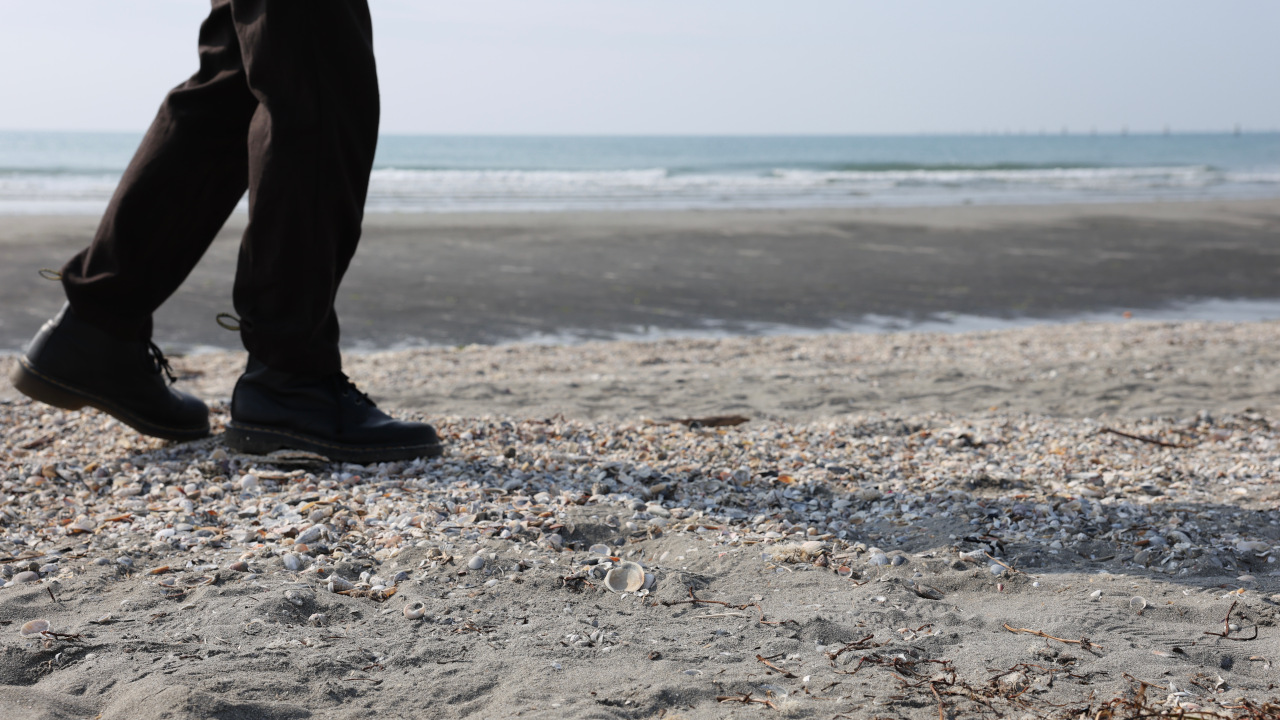
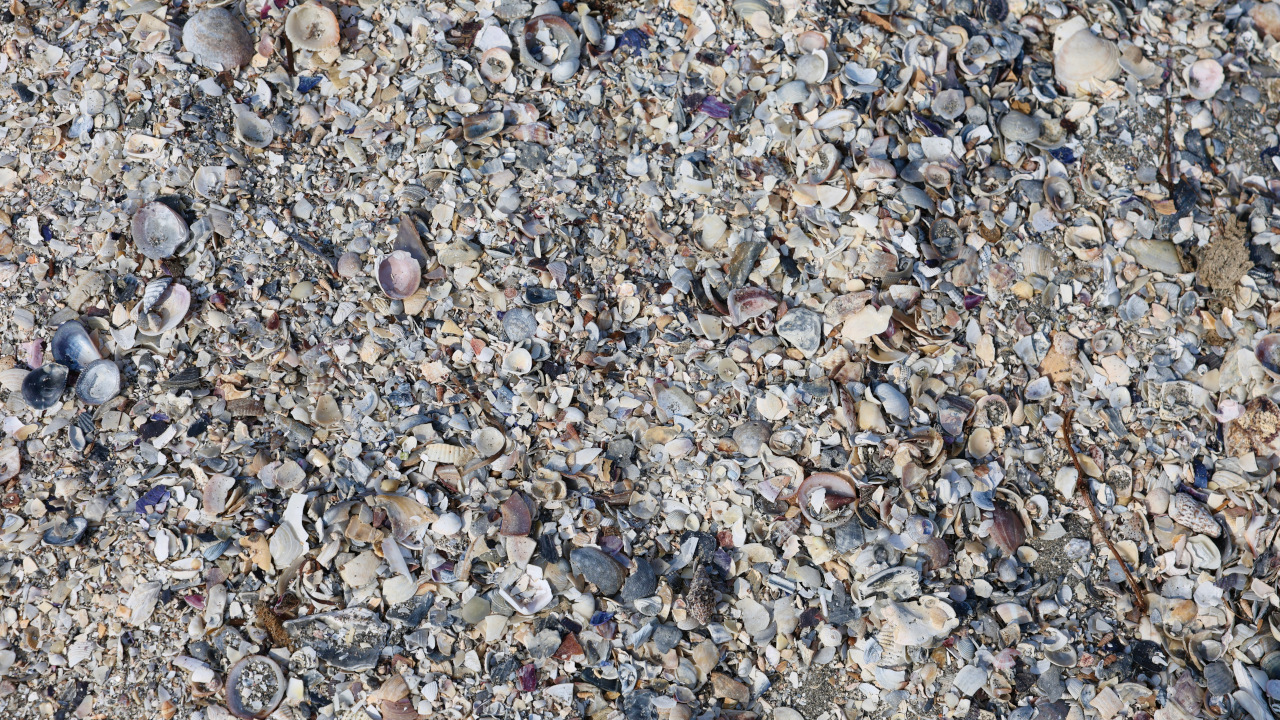
In the Grado dialect, “el critoleo de le scusse” is the name of the sound heard when walking on the reworked shells (the “scusse”, precisely, the husks) washed up by the sea on the beach, particularly after a storm and during the winter, when the shores are empty, ideal places for walking.
The phenomenon is so well known and loved by the Graisani (the inhabitants of Grado in the local dialect) that it has earned its own name.
Listening with your feet
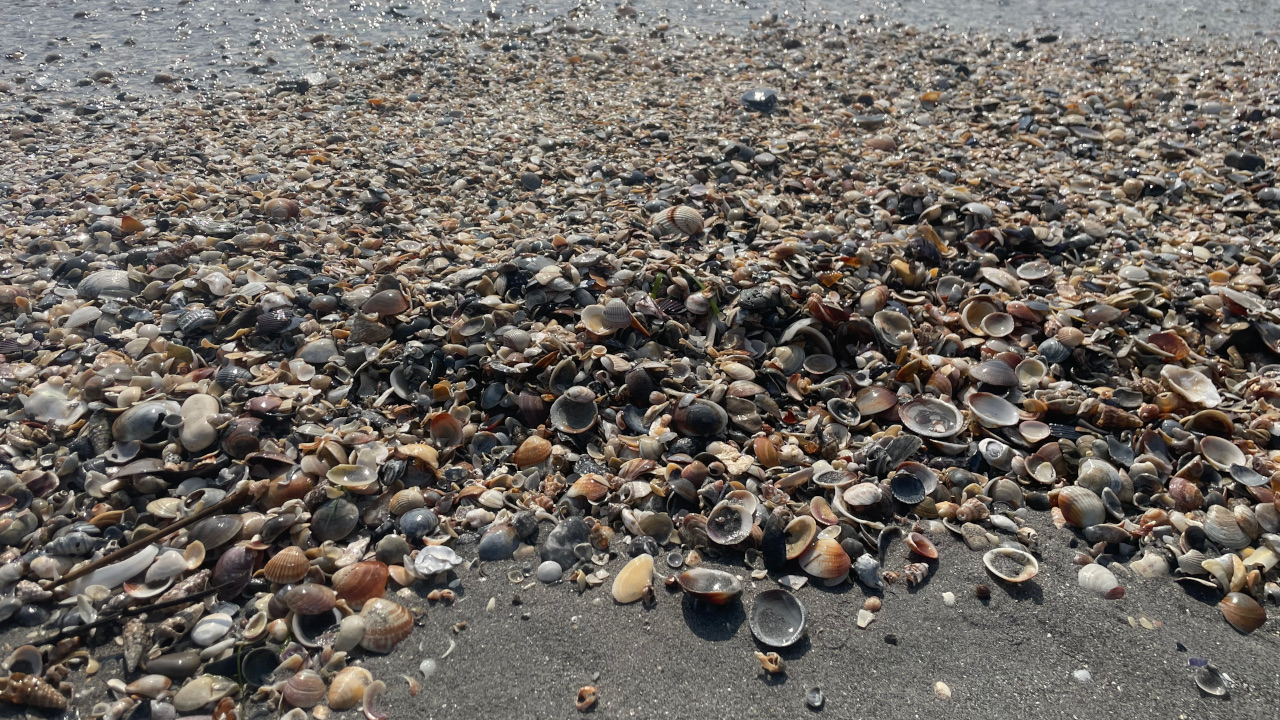
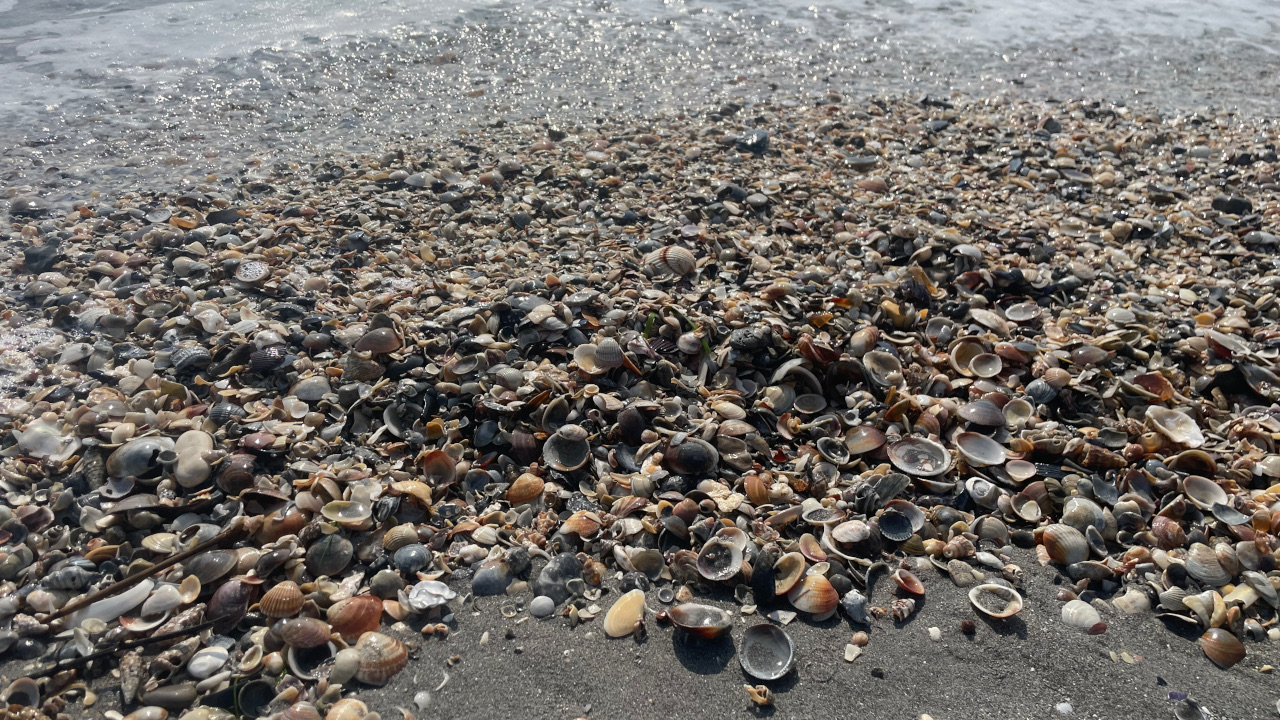
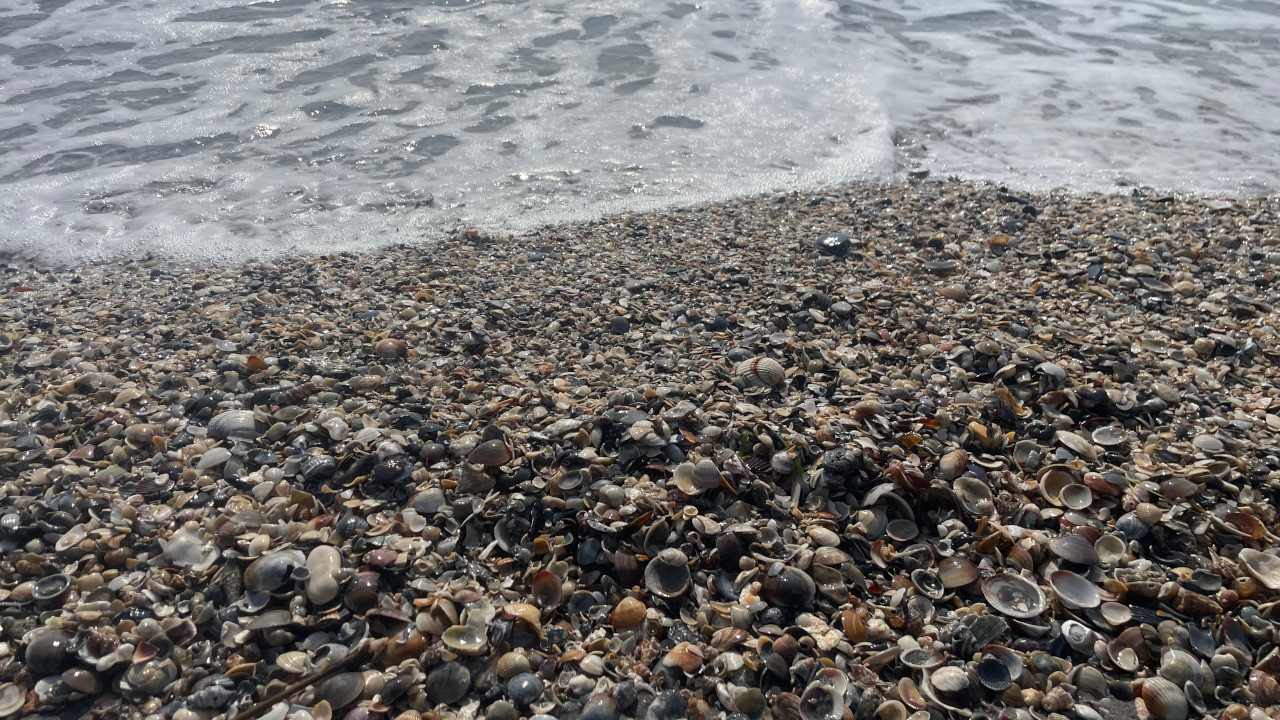
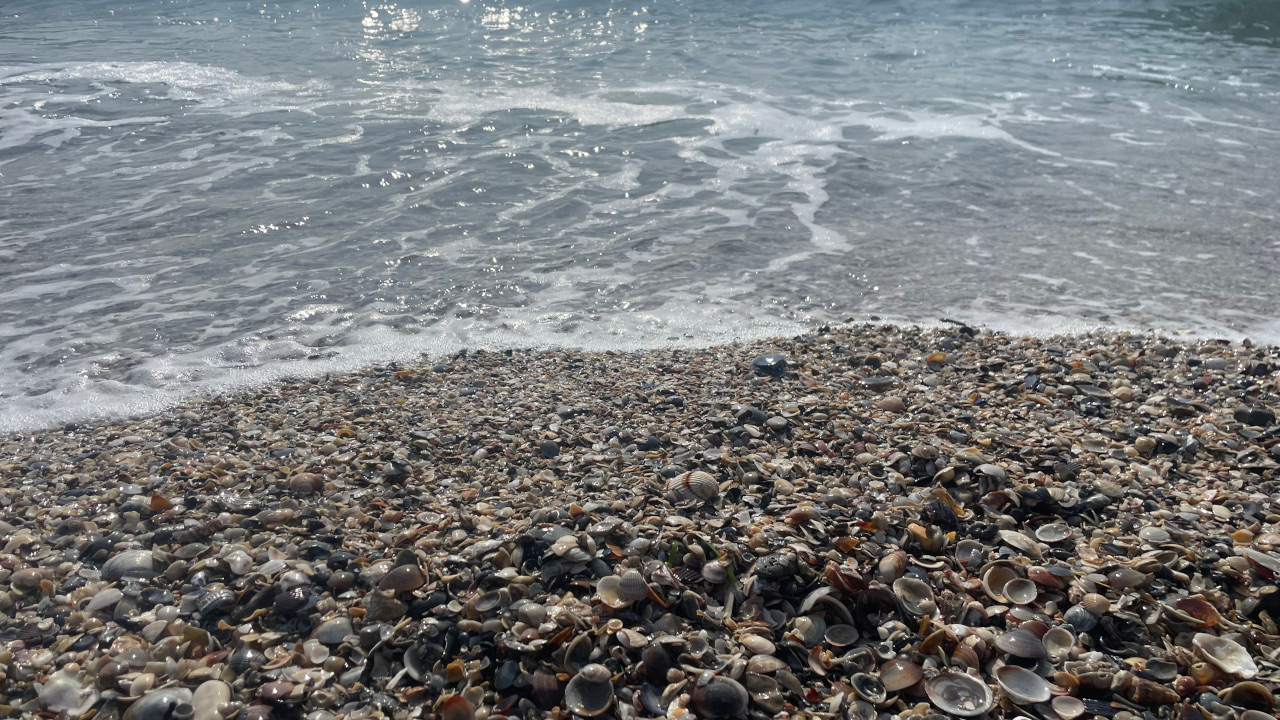
The sea deposits shells in banks on the shoreline, mounds that can be walked along like corridors. Walking on them, the shells (which are actually skeletons) crack and crunch under your soles. With every step, the pleasure of hearing and that of touch merge into a single experience. The mechanics of crushing and rubbing pass through the feet and legs, a “passing of sound through the bones” that inspired the poet Biagio Marin for his short poem in memory of Pier Paolo Pasolini (see the text below by Moreno Miorelli).
Like so many rattles
The thinner shells and the older, corroded ones are fragile enough to break under our weight, but all of them, especially if they have dried well, can be rolled and shuffled, generating a very pleasant glassy sound with every step. The material they are made of (calcium carbonate in the form of calcite or aragonite combined with proteins), polished by the action of the sea, is extremely hard and compact, and upon impact, it returns almost all vibrations, particularly the high-pitched ones. Furthermore, their concave shape acts as a tiny resonance chamber. The resulting sound is extremely brilliant, crystalline, and “clear”. In fact, musical instruments made from shells are not uncommon, such as rainsticks or rattles, widely used in ritual music.
But they used to be more beautiful
Those who have always lived in Grado told us with a bit of nostalgia that today the sea brings few shells and they are much less beautiful than in the past. Decades ago, children would find “treasures” of all shapes and sizes, to collect or decorate or make into necklaces to sell at summer stalls. Today, one mostly finds bivalve shells—Clams, Tellins, Cockles, Scallops, and Variegated Scallops—some gastropods, recognizable by their coiled shape—mainly hermit crabs or sea snails—and little else.
The account of …
The critoleo of Grado was pointed out to us by our friend Moreno Miorelli, with the text we report below.
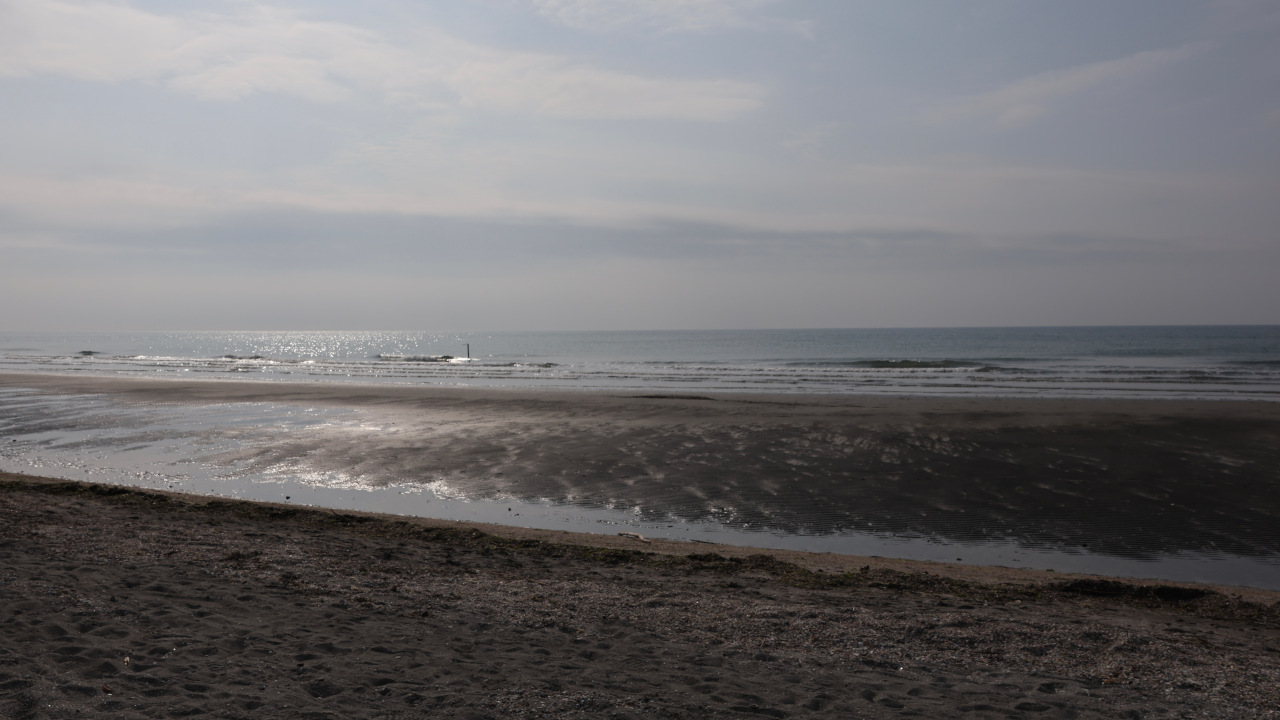
The Adriatic Sea is a treasure chest of shells and, certainly, one of the places richest in them is Grado. Towards Punta Sdobba there is even a Lido delle Conchiglie, wild and of great beauty, but the place proposed here is instead the so-called Spiaggia Vecchia (Old Beach), a sandy amphitheater that separates the Diga promenade from the entrance channel to the port. On the rocks that divide the beach from the water, the nautophone once stood, a loudspeaker that, before the advent of computers, marked the town’s soundscape on foggy days, signaling the entrance to the harbor mouth and which, who knows, it would be nice to restore and put back into operation, simply in memory of “heroic” times, even for just a few seconds, as happens in Slovenia with factory sirens at noon on the first Saturday of every month.
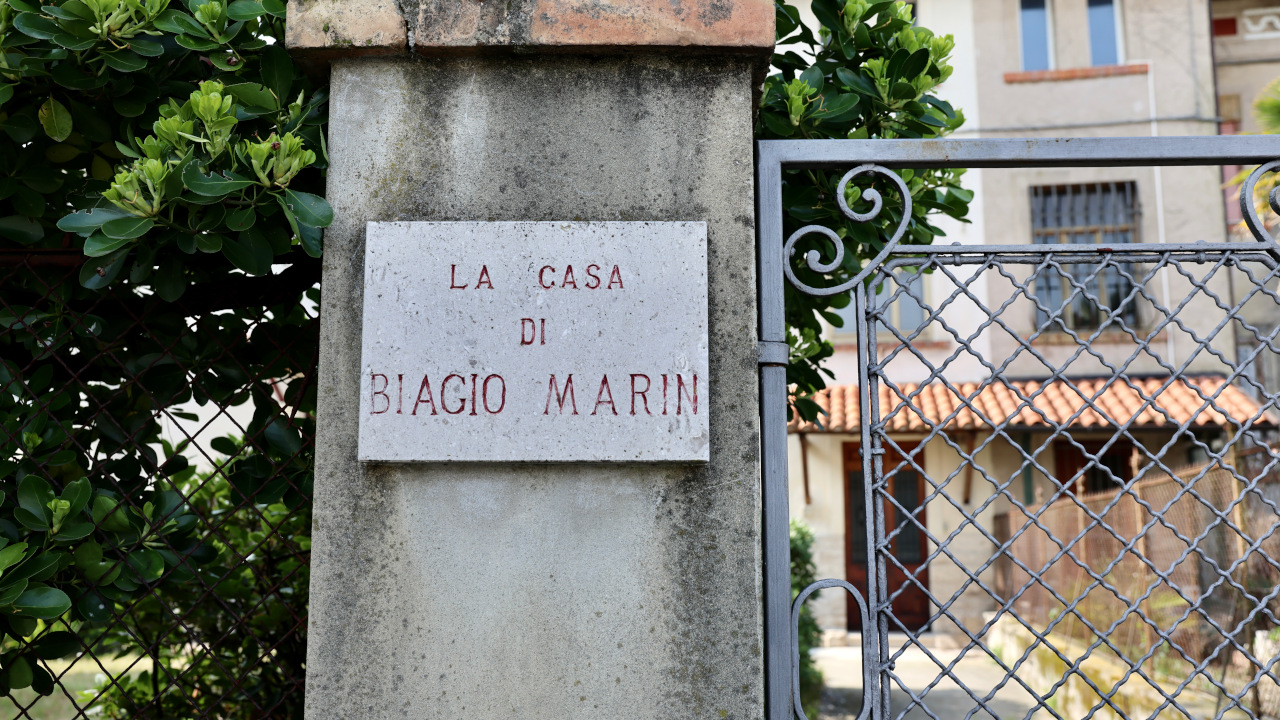
The sound proposed here, however, is still there and always will be: for the inhabitants of the island it is el critoléo, a Grado term, strongly onomatopoeic, which perfectly describes, with its sound, the crunching under the shoes of the thousands and thousands of shells that one cannot help but step on while walking on the Spiaggia Vecchia. It is here that they deposit in heaps, more than elsewhere, especially after days of bora wind. A sound, el critoléo, that was an inspiration for one of the greatest poets of the twentieth century: Biagio Marin. Born in Grado, he lived through the last century, born Austro-Hungarian in 1891 and continuing his life until 1985. He sang, strictly in dialect, of the light, the reflections, the sounds of his sea, seen and heard from the windows of his brick-red house, overlooking the Spiaggia Vecchia. One of his poems is titled El critoléo del corpo fracassao (The crunching of the shattered body) and is dedicated to his friend Pier Paolo Pasolini, to his death and his memory. Few words, like el critoléo, can give us back the physical sense of that tragedy.
Moreno Miorelli
That nightingale sang,
but no one understood him:
he gave a strong voice
to the reasons of life and death;
but the air was mute,
the people deaf:
no string
vibrated in parched hearts;
song of love became desperate,
became weeping and cry:
invocation to God
never again incarnate.
Then, the revolt:
the dark night still listens,
in the desert of a meadow,
to the critoleo of the shattered body.
That nightingale sang
but no one understood him:
a strong voice he offered
to the reasons of life
and death;
but the air was mute,
the people deaf:
no string
vibrated in arid hearts;
the song of love became desperate,
becoming weeping and cry:
invocation to God
never again incarnate.
Then, the revolt:
the dark night still listens,
in the desert of a meadow,
to the crunching
of the shattered body.
_____________
Lyric IX taken from
Biagio Marin
El critoleo del corpo fracassao. Litànie a la memoria de Pier Paolo Pasolini
The crunching of the shattered body. Litanies in memory of Pier Paolo Pasolini
edited and translated by Ivan Crico, with extracts from the unpublished diaries of Biagio Marin edited by Pericle Camuffo.
Parallel text.
”Ardilut” series edited by Giorgio Agamben
Quodlibet, Rome, 2021, pp. 88.
Indications
WHERE
Spiaggia Vecchia of Grado (Spiaggia Costa Azzurra), small beach in front of Palazzo Zipser, Banco d’Orio island and probably other islands of the lagoon.
WHEN
Outside the tourist season (from November to March), possibly after a storm.
HOW / ACCESSIBILITY
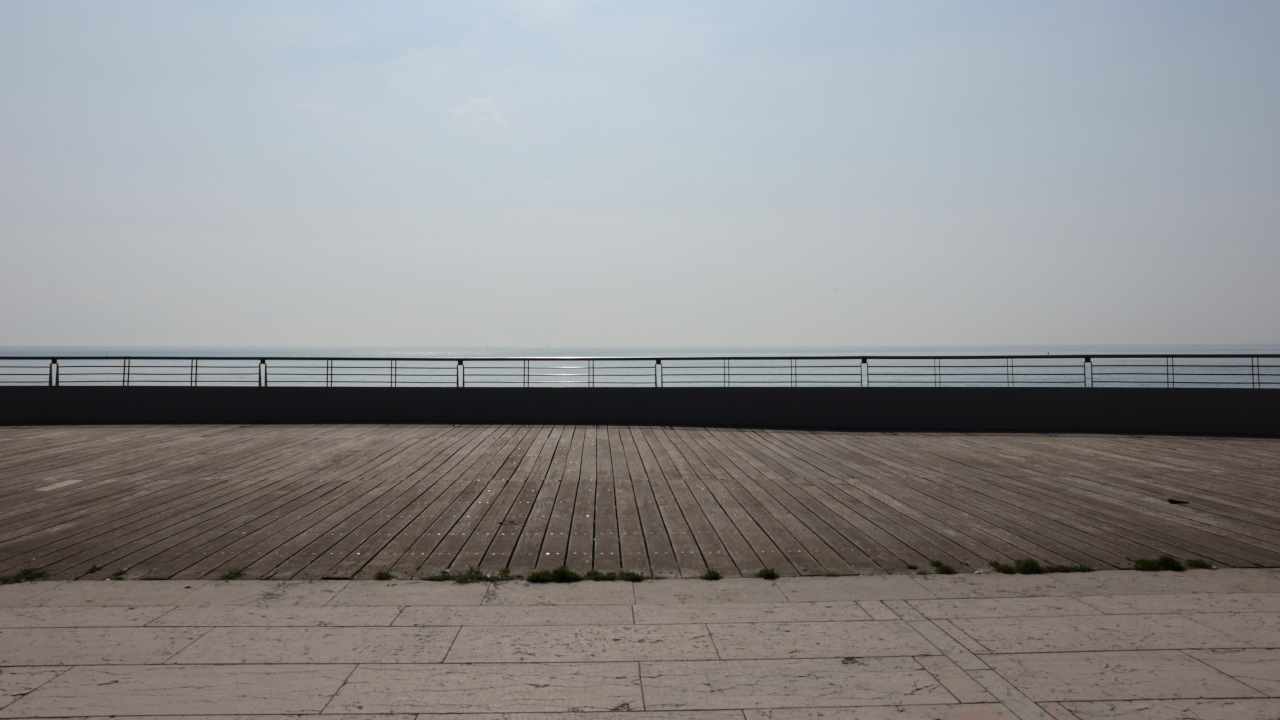
The Spiaggia Vecchia can be reached by car with parking nearby (in winter spaces are easily found, although the closest ones are paid) and with walkways that lead almost to the shoreline, but a few meters of sand must be crossed on foot. The small beach in front of Palazzo Zipser is reached by a walk on the dam which has ample space and services, but some steps must be descended if you want to reach the water. Banco d’Orio can only be reached by boat and you have to bring everything because there is nothing there except sand and shells.
Audio recordings
Binaural recordings, headphone listening recommended.
An important note: no recording, however technically advanced, can ever render the experience of real listening. Topofonie.it is not an archive of sounds, but an invitation to explore the world around us with your own senses. The files reported here are for indicative purposes only.
Links and insights
- For further information on the shells of the upper Adriatic, we recommend this beautiful booklet by Silve Lugnan.
- Shell Beach in Australia is a beach that extends for over 60-70 kilometers formed entirely of shells and all of the same species. Another Shell Beach formed entirely of shells is in the Caribbean.
- Marin was fascinated by the perfection of these precious gifts from the sea. He collected hundreds of them together with his wife Pina, during their walks along the shores, creating over the years a large collection that he cared for deeply. (Crico, Preface, in B. Marin, El critoleo del corpo fracassao…, cit., pp. 10 – 11.)
- The “Falco Marin” civic library of Grado houses the Biagio Marin archival fund, consisting of the Grado poet’s library, a documentary fund, and a photographic fund.
- Biagio Marin’s short poem published by Quodlibet can be found here
Acknowledgments
Ivan Crico, Alessandro Fogar, Moreno Miorelli.