
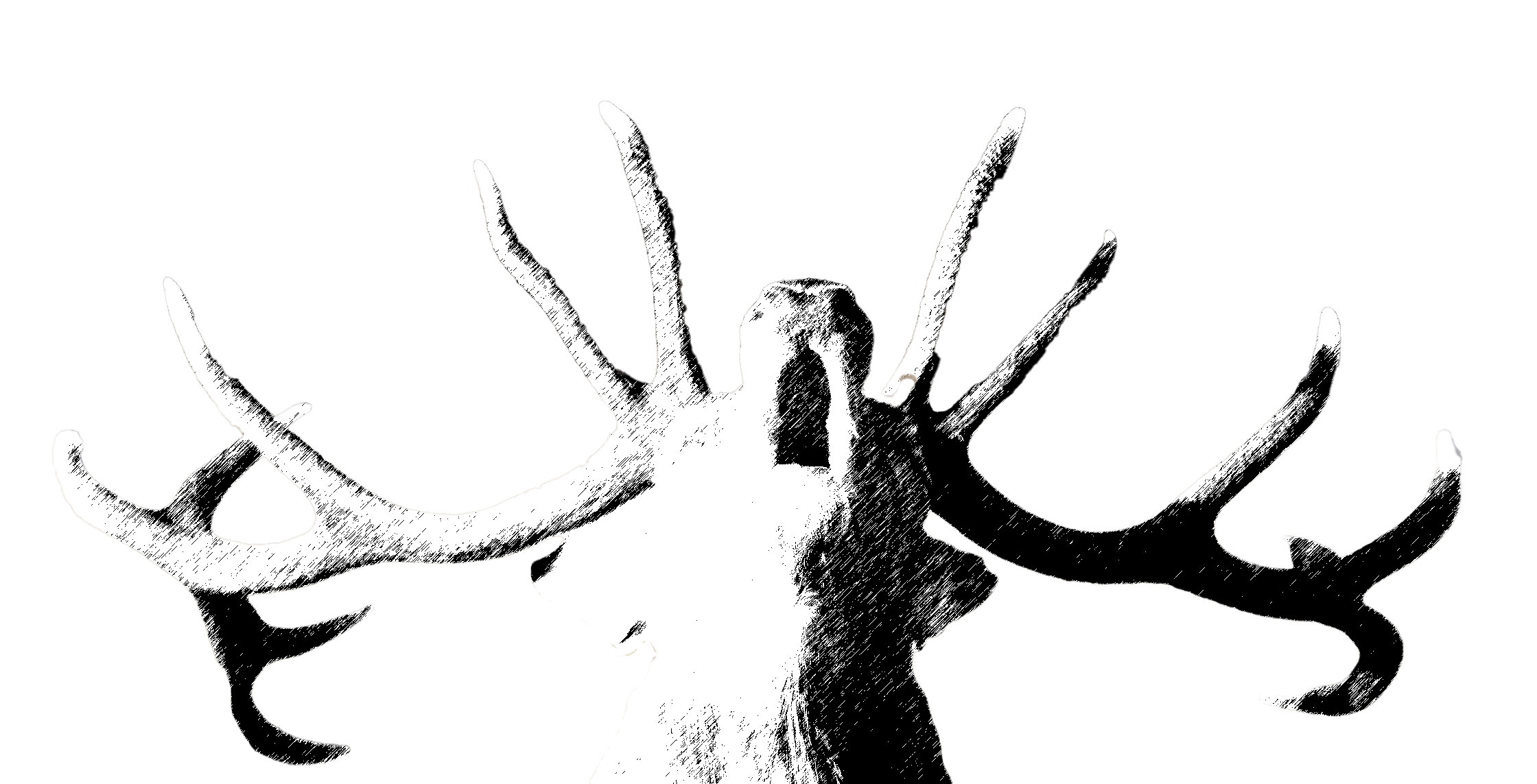
A walking topophony
The sound of deer roaring in the Resia Valley was one of the first topophonies that came to our attention, thanks to the fact that the Wild Routes group of guides had already organized several hikes to go and listen for it, so much so that it became a recurring and popular offering of theirs during the fall season.
We went solo. For recording-and for listening in general-it is always better to be in a few, and above all, it is essential to know how to be silent. We also chose to spend a night in a shelter run by the Julian Pre-Alps Regional Nature Park to have plenty of time for listening and recording.
The recordings
In the late afternoon we walked a few steps into the woods and set up two recording stations that we kept lit for about an hour. Being in silence in the woods is an unsettling feeling, especially when night falls. One quickly realizes that one is in someone else’s territory, where unexpected encounters are always possible. If one can overcome the discomfort, the reward is close at hand.
The cravings
With the arrival of evening here comes one of the most striking sound spectacles of the woods.
The deer’s cries are loud and continuous, Their sound is somewhere between a bellow and a roar, one can tell that it is a call cry, at times it seems desperate, but at the same time it is an assertion of one’s territory.
It is virtually impossible to render the idea with a recording, because the beauty of listening is in the extremely wide overview, depth and distance. Most of the bramble in our case came from the northern front of the valley between sella Carnizza and Uccea.
Distant and closer sounds alternated in supremacy and power, creating a continuum of incessant murmurs that echoed throughout the area. One could identify the different emission points, the territories of the strongest males, one could sense the mapping of herds hidden by the vegetation. It was also possible to hear the sound of some rare and brief crossing of antlers.
By the time we turned off the recorders it had gotten dark and fortunately we had flashlights. The deer continued with their concert late into the night although more faintly. A few isolated cries could still be heard in the night.
An overnight visit
When we went to sleep, we decided to leave a microphone on outside the lodge. In the morning we were able to verify that one of the animals had come very close, and we picked up not only the sound of its hooves but also a very intense, lonely cry that echoed in the valley bathed in silence.
A rare silence
Another characteristic aspect of this place is precisely the silence. No airplane passes, no noise in the distance, that night not even wind…. More than a few times we have wondered if this is precisely the quietest place in the region. We are always looking for it.
Directions
WHERE
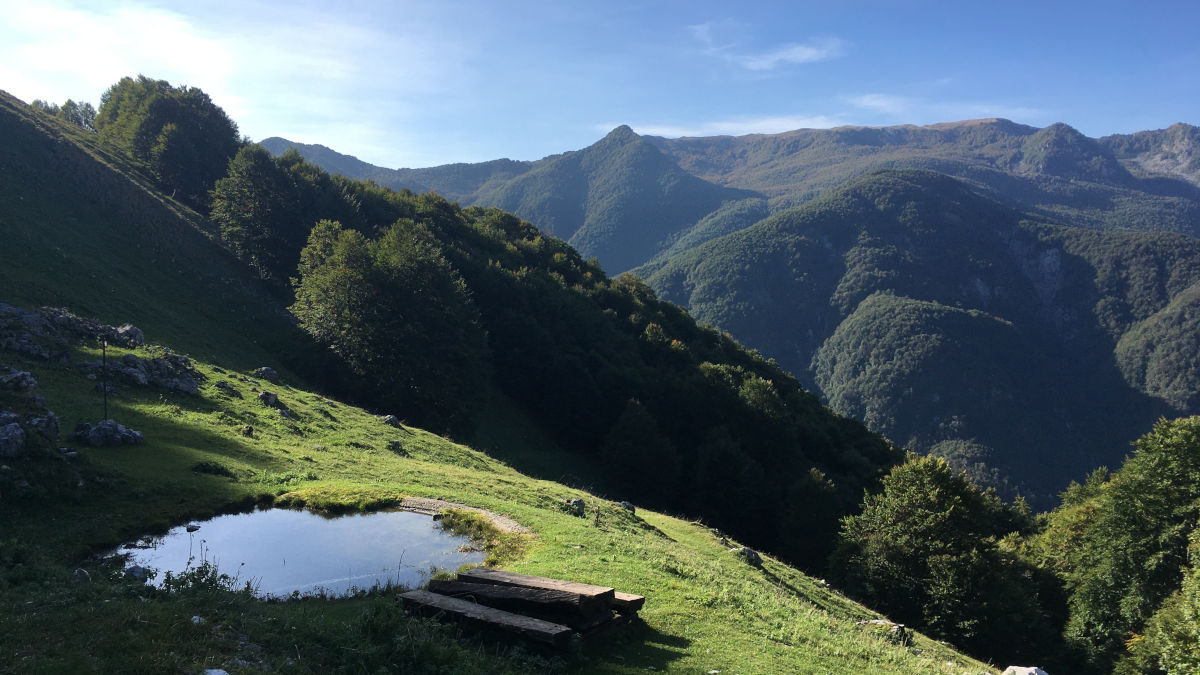
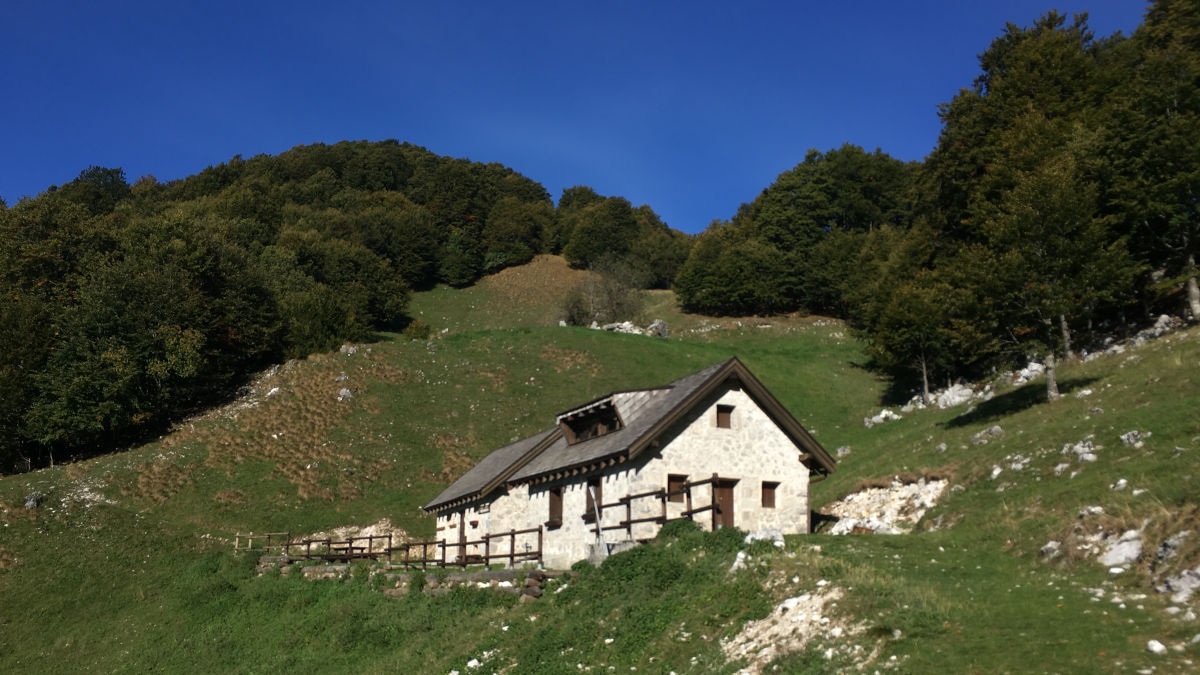
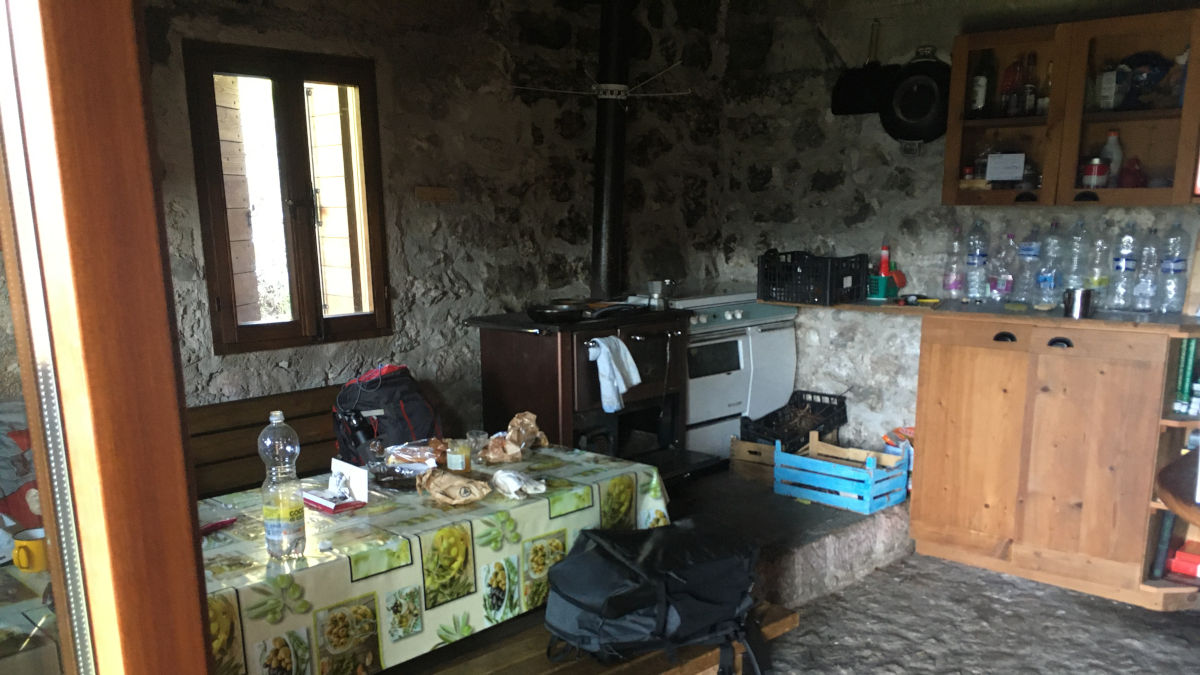
In Val Resia and throughout the forested pre-Alpine area where this animal lives. Our advice is to spend the night in the Casera Nischiuarch, a shelter equipped with 6 beds, a nice table, basic tableware and the traditional spolert for heating and cooking.
WHEN
Between September and October. It should be kept in mind that the rutting period, known as “rut,” varies by species and geographic region. It is a natural calendar that deer follow for courtship and reproduction.
HOW
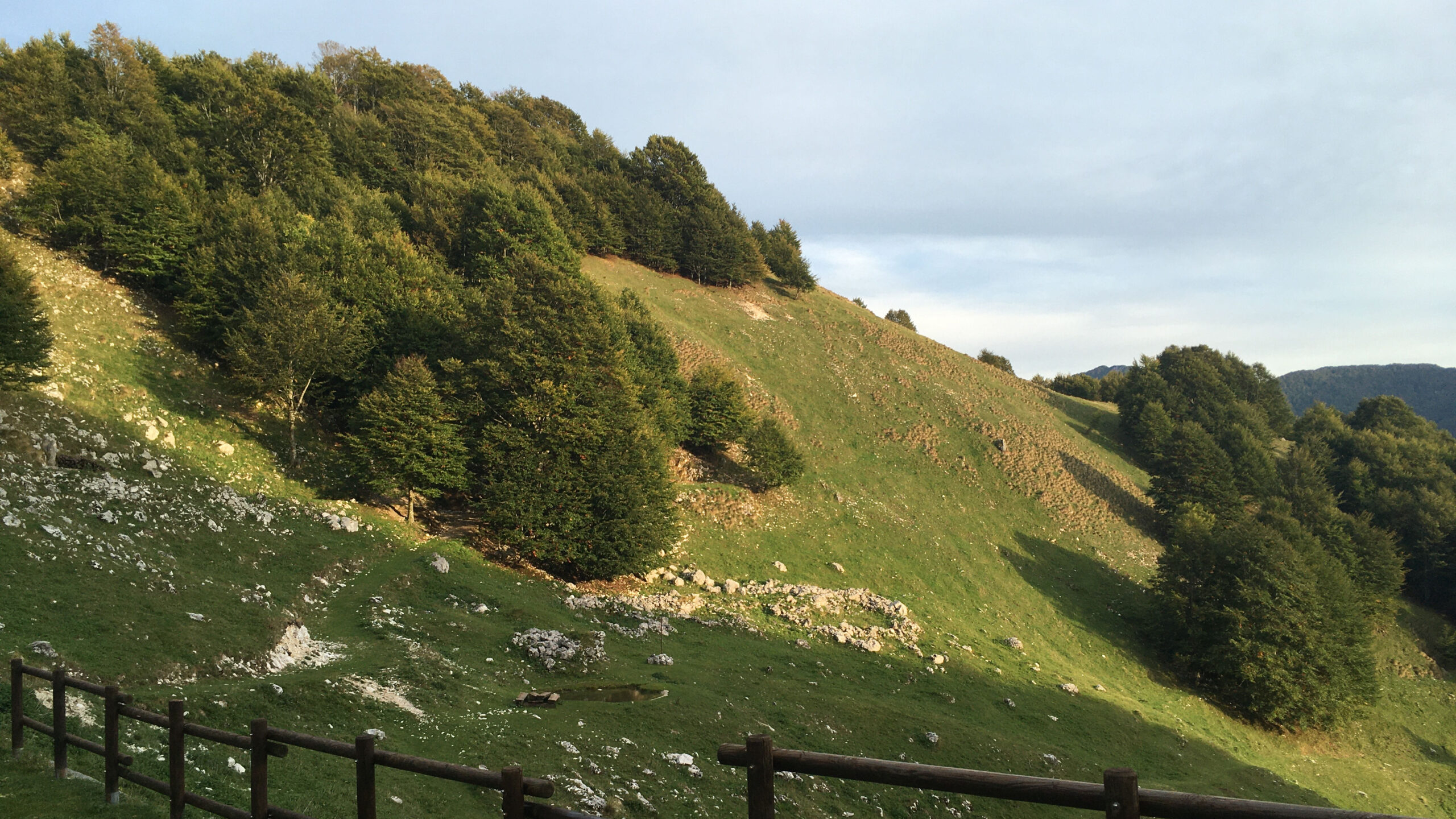
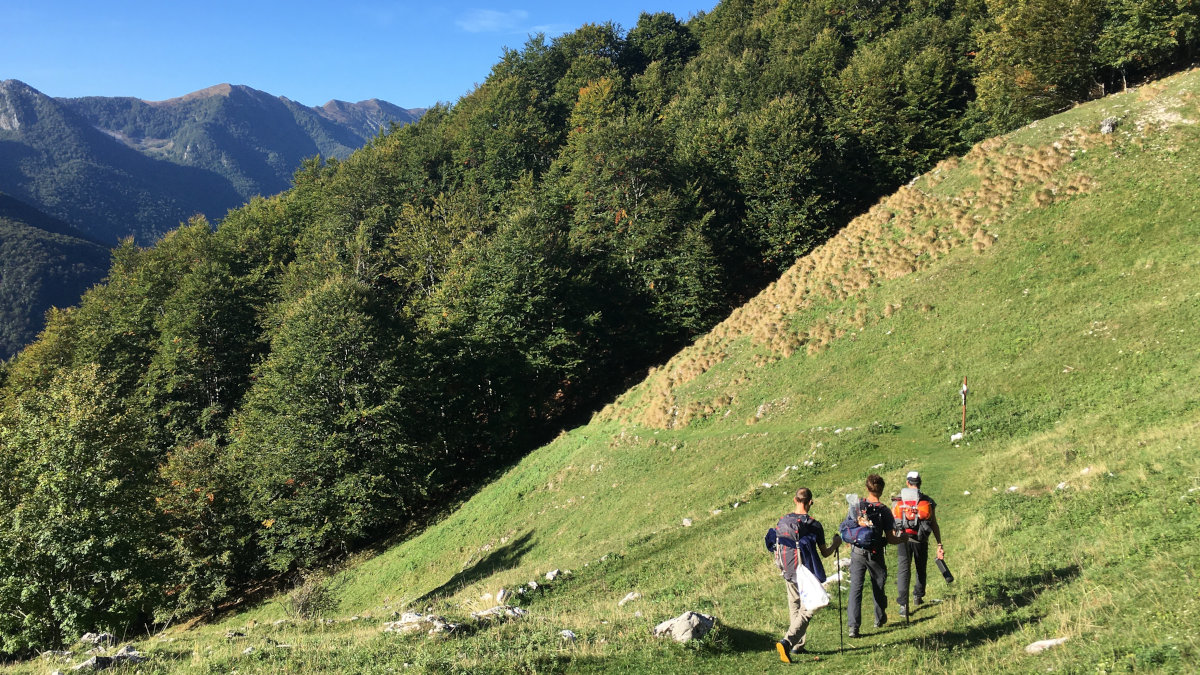
To the Nischiuarch Cheese Factory you can climb in about an hour’s walk starting from the regional road 646 at Tanamea Pass after the spike on the Rio Bianco or from sella Carnizza, again via CAI trail 739. The casera is about 1,200 meters above sea level.
For a group outing in the company of experts, consult the Wild Routes guide site, which organizes special excursions.
Audio
Binaural audio, headphone listening recommended.
Please note: no recording no matter how technically advanced can ever represent the experience of real listening. Topofonie.it is not an archive of sounds, but an invitation to go and listen with our own ears to the world around us. The files given here are for illustrative purposes only.



Links and insights
- A comprehensive article on wired dedicated to deer bramble with useful tips and important rules to follow for a risk-free experience.
- Directions and useful information on the Casera Nischiuarch shelter by the Julian Pre-Alps Nature Park.
- La casera Nischiuarch, reviews on google maps.
- The Wild Routes page where to ask for information and book hikes
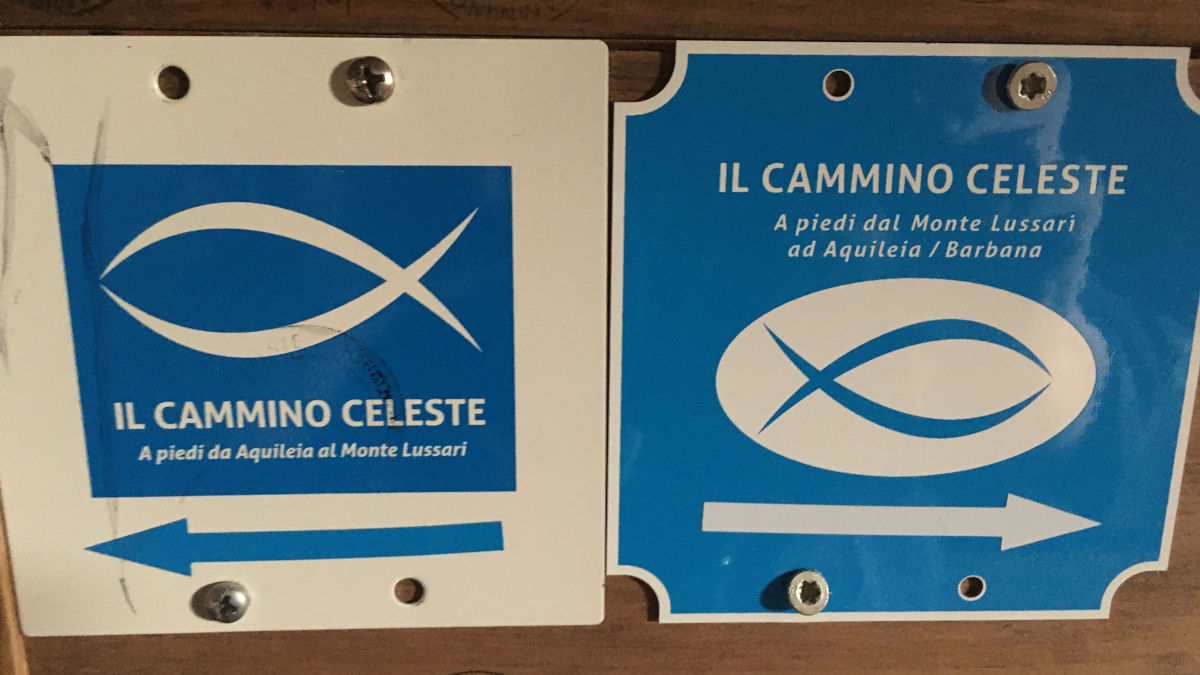
- Casera Nischiuarch is also a stop on the Celestial Path or Iter Aquileiense.
The prince of the woods and his habits
For most of the year, males are nearly mute: they emit only a few nasal sounds or low grunts in the vicinity of other deer or during skirmishes that serve as training for actual fall fighting. Beginning in August, however, during heat, under the influence of testosterone the vocal cords grow and thicken, and adult males begin to emit loud, low-pitched calls, known as bramble, to attract females and threaten opponents.
Deer have a descending, highly mobile larynx that can be pushed further down toward the sternum during bramble, thus lengthening the vocal tract. The considerable head and neck extension and descending larynx create a dilated resonance chamber: larger specimens with longer vocal tracts tend to produce louder calls.
The frequency rate of bramble is related to body size, fighting ability and reproductive success, and the characteristics of this sound, which can influence the reproductive status of females, seem to reflect the quality of the male. In the mating season through the bramble a social hierarchy is thus established that will lead only the alpha male to mate with the females in his harem.
Each bramito has its own meaning. Deer use different tones and intensities to communicate information about their size, strength and emotional state. The roaring of deer can be heard at considerable distances, up to several kilometers. It is truly a voice that is heard in the wild.